
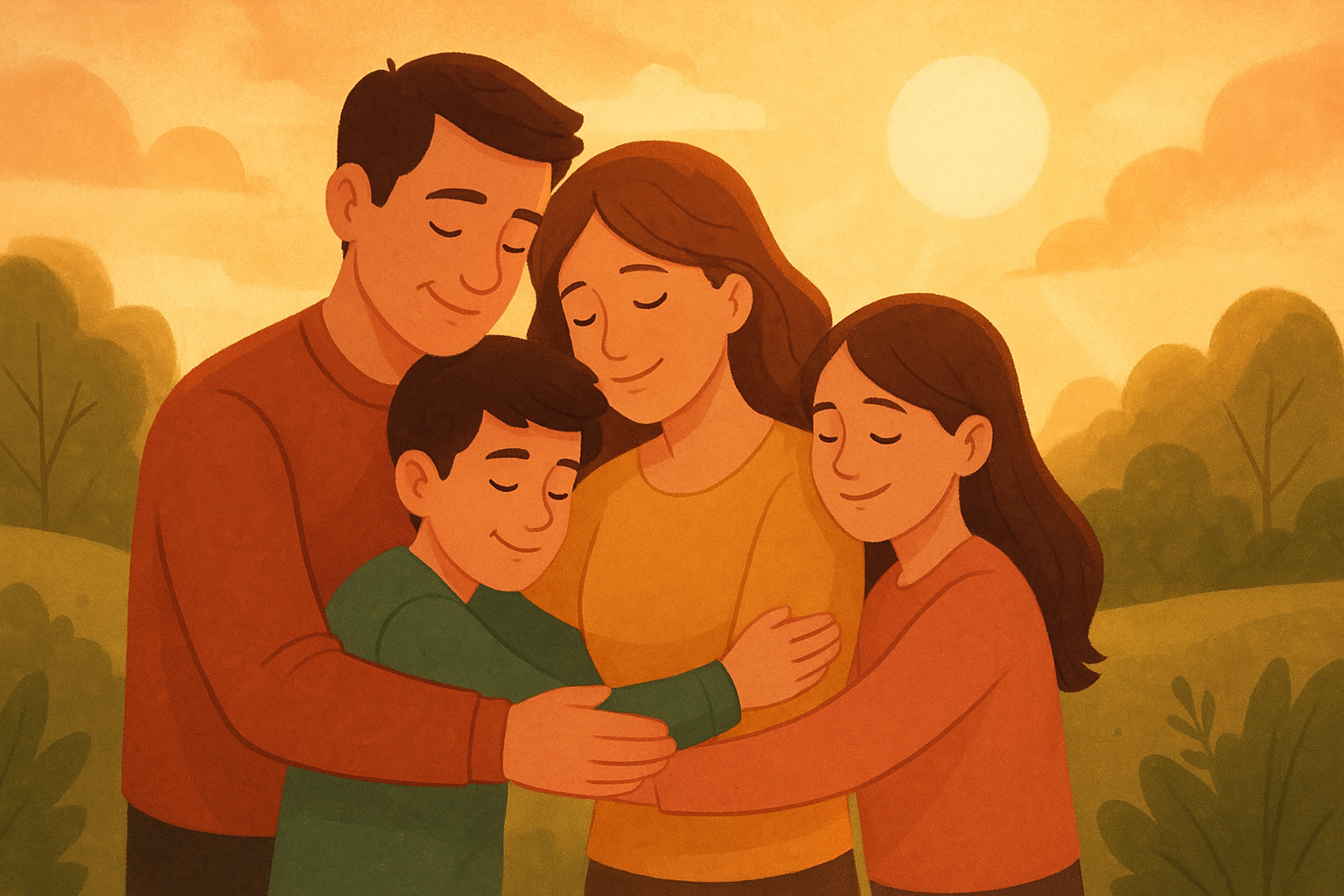
A heated argument breaks out at a family gathering. Words are said that can’t be taken back. Months pass. Maybe even years. Calls stop. Visits fade. Hurt grows.
Why do some families stay locked in this kind of silence while others heal and move forward?
Unforgiveness builds walls, invisible but strong. It cuts off connection. It steals peace. It keeps hearts hard and homes divided.
The same is true in sports. Teams that hold onto grudges or personal beefs rarely win. But when a team chooses unity, they thrive.
Look at the 2004 Boston Red Sox. After years of falling short, they finally broke their 86-year championship drought. How? They pulled together despite past drama, trusted each other, and focused on winning, not holding onto old wounds.
Family life works the same way. You don’t win by keeping score. You win by letting go.
Forgiveness Isn’t Weakness: It’s Strength
Some think forgiving means letting someone off the hook. It doesn’t. Forgiveness means refusing to stay stuck in anger.
When you hold a grudge, you give the other person control over your heart. That’s weakness.
Forgiveness is strength. It says, “I won’t let this hurt define me.”
In sports, you see this on teams that fight hard for a common goal. Even when players clash, the best teams find ways to move forward. They settle issues, shake hands, and stay focused on what matters most, winning together.
Strong families are the same. They aren’t perfect. They mess up. But they choose to heal, not stay bitter.
Ephesians 4:32 (ESV) says,
“Be kind to one another, tenderhearted, forgiving one another, as God in Christ forgave you.”
Forgiveness takes guts. It’s hard. It feels risky. But it reflects the kind of love God shows us, love that forgives even when it hurts.
Holding on to bitterness is easy. Letting go takes real strength.
The Personal Cost of Holding a Grudge
Holding a grudge hurts you more than anyone else. It doesn’t protect you, it poisons you.
When you refuse to forgive, the anger stays inside. Over time, it wears you down.
The Mayo Clinic reports that chronic anger raises your risk of anxiety, depression, and heart disease.
Unforgiveness doesn’t just damage your heart emotionally. It can damage your heart physically.
I’ve seen brothers stop talking for years over money. They missed birthdays, weddings, even funerals. In the end, both lost more than they gained by holding on to hurt.
Look at sports. Antonio Brown was one of the NFL’s best receivers. But his fights with teammates and coaches blew up his career.
A divided locker room destroys trust. So does a divided family.
Holding a grudge costs too much. It robs your health. It steals your peace. It breaks your relationships.
It’s not worth it.
Forgiveness Doesn’t Excuse: It Releases
Forgiving someone doesn’t mean you say what they did was okay. It means you won’t let it control you.
When you hold on to hurt, it keeps a grip on your heart. Forgiveness lets it go.
I’ve seen fathers forgive sons who made reckless choices, bad grades, bad friends, bad habits. They didn’t excuse the choices. They didn’t ignore the damage. But they opened a door for healing instead of slamming it shut.
Sometimes, forgiving someone is the start of a better relationship. Sometimes, it’s just your way of breaking free.
Colossians 3:13 (ESV) says,
“Bearing with one another and… forgiving each other… as the Lord has forgiven you, so you also must forgive.”
Forgiveness frees you even if the other person never says sorry.
It’s not about fixing them. It’s about freeing you.
Forgiveness Is a Choice, Not a Feeling
Forgiveness isn’t something you wait to feel. It’s something you decide to do.
Athletes don’t always feel like training. They choose to show up anyway.
It’s the same with forgiveness. You may not feel ready. But you can still choose it.
I know people who forgave parents who walked out on them. The pain didn’t vanish overnight. But choosing to forgive set them free from years of anger.
In sports, Kobe Bryant and Shaquille O’Neal fought for years. The feud was public. The tension was real. After retirement, they chose to make peace. That choice healed their friendship, and shaped how fans remember them.
Forgiveness is never easy. But it’s always a choice.
You don’t have to wait for your heart to feel it. You just have to make the choice and trust your heart will catch up.
Building a Forgiving Family Culture
Championship teams don’t win by accident. They build a culture where trust and respect come first.
Families work the same way. A healthy family isn’t perfect, it just knows how to move forward after hurt.
Here’s how to build that kind of culture at home:
- Communicate openly. Talk things out. Don’t let problems pile up.
- Apologize fast. Don’t wait for the “right time.”
- Forgive faster. Don’t hold on to things that don’t matter.
- Avoid silent treatment. Cold shoulders and passive digs only make things worse.
- Show grace under pressure. Don’t blow up when things get tense.
- Lead by example. Show your kids or siblings what it means to forgive.
In sports, look at the San Antonio Spurs under Tim Duncan and Coach Popovich. They built a winning culture on trust, respect, and humility. They knew how to fix problems before they broke the team.
Healthy families do the same. They don’t ignore conflict. They face it and forgive, again and again.
Families who talk things out and forgive often build deeper bonds over time.
Forgiveness isn’t a one-time fix. It’s a habit. A way of life. A culture you build on purpose.
Forgive Even If They Don’t Change
One of the hardest parts of forgiveness is knowing it might not fix the relationship.
Sometimes, the other person won’t change. Sometimes, they won’t even care.
I’ve seen a man forgive his father after years of silence. The father never said sorry. Never made it right. But the son let go of the anger anyway, and found peace.
In hockey, teams sometimes have to cut toxic players. But that doesn’t mean they hold a grudge. The NHL often talks about building a team-first culture. Forgiveness is part of that. It’s about keeping your heart clean, even if you have to walk away.
Romans 12:18 (ESV) says,
“If possible, so far as it depends on you, live peaceably with all.”
Forgiveness frees you, whether or not the other person responds.
It’s not always about fixing things. Sometimes, it’s just about setting your heart free.
The Freedom Found in Forgiveness
Forgiveness sets you free. It breaks the grip of anger, hurt, and bitterness.
Lewis B. Smedes said,
“To forgive is to set a prisoner free and discover the prisoner was you.”
A man forgave his estranged brother right before a serious health scare. They hadn’t spoken in years. But when he let go of the grudge, it felt like a weight lifted off his shoulders.
Forgiveness doesn’t always fix the past. But it frees your heart in the present.
It also reflects the heart of God, a gift He gives us and calls us to give others.
Forgiveness isn’t just for them. It’s for you.
Choose Forgiveness Today
Think of one person you’re holding something against. A family member. A friend. Someone who hurt you.
What would your life, or your family, look like if you chose to forgive?
Winning teams don’t hang on to grudges. They leave their egos at the door and fight for each other. Families can do the same.
Forgiveness takes courage. But it’s the first step toward healing and freedom.
Don’t wait for a perfect moment. It may never come.
Start building a forgiving heart today.