Think about your favorite sports teams. The ones that win year after year. You’ll notice they have one thing in common: clear roles, respect, and boundaries.
Everybody knows their part. Players know when to lean on each other—and when to step back. That’s what keeps the team strong.
Life works the same way. Friendships, family, even dating—without boundaries, things get messy fast. People overstep. You burn out. Frustration builds.
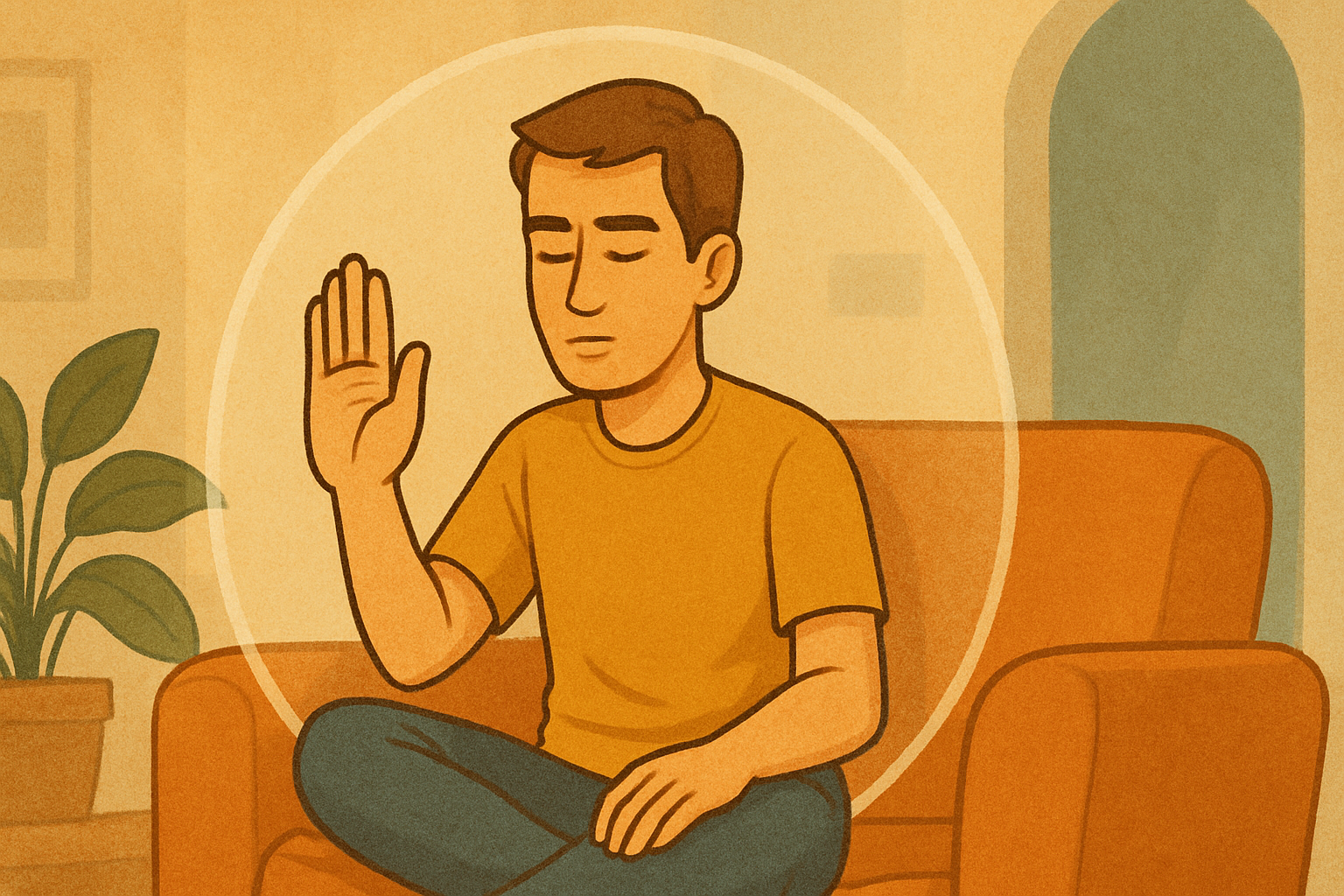
Boundaries aren’t walls meant to keep people out. They’re guidelines that show what’s okay and what’s not. They help you protect your peace and keep the right people close.
Strong teams have boundaries. Strong people do too.
The Misconception About Boundaries
A lot of people think setting boundaries makes you cold or selfish. Like saying “no” means you don’t care. But that’s not true.
The strongest relationships have clear boundaries. They create trust, not distance.
Even Jesus set boundaries. In Luke 5:15-16 (ESV), the crowds pressed in, but He still pulled away to pray. He knew when to step back.
Look around your own life. You probably know that one friend who never says no. Always available. Always saying “yes” to every request.
What happens? Over time, they burn out. They get bitter. The friendship feels heavy.
Boundaries aren’t rejection. They’re respect—for yourself and others. They help relationships stay real and healthy.
What Healthy Boundaries Actually Look Like
Picture a football team with no positions. No playbook. Just guys running wild on the field.
It would be a mess.
The best teams know where everyone stands. There’s structure. There’s respect. That’s what makes the team work.
Life’s the same. Boundaries create clarity, not distance.
Healthy boundaries look like:
- Saying “no” without feeling guilty
- Being honest about your limits—your time, energy, and headspace
- Refusing to accept disrespect, even from people you care about
Some people won’t like your boundaries. That’s okay. You’re not here to control them. You’re here to show respect—for yourself and for them.
The Bible says, “Keep your heart with all vigilance, for from it flow the springs of life” (Proverbs 4:23 ESV). That means it’s your job to protect your peace.
Boundaries aren’t selfish. They help you love people better, without losing yourself.
Signs You Need to Set Better Boundaries
Sometimes it’s hard to tell when your boundaries are off. But the signs are usually there.
Here’s what to look for:
- You always feel drained, even around people you like
- You say “yes” when you really want to say “no”
- You avoid hard conversations just to keep the peace
- You feel bitter toward people you actually care about
Sound familiar? You’re not alone.
Look at sports. You ever see a player who never speaks up? They keep pushing, they stay quiet, they take on too much.
What happens? Burnout. Bad games. Sometimes even injury.
Life’s no different. If you don’t speak up and set limits, you crash. Your friendships suffer. Your work suffers. Your health suffers.
You can’t pour from an empty cup. Boundaries help you stay strong—so you can show up for your people.
How to Set Boundaries Without Burning Bridges
Setting boundaries doesn’t mean you have to lose people. But it does mean being honest. Here’s how to do it right:
1. Get Clear on Your Limits
First, know what matters to you. Your time, your energy, your values—those are your non-negotiables. You can’t expect people to respect your boundaries if you don’t know them yourself.
2. Communicate with Respect
You don’t have to argue or get defensive. Keep it simple:
- “I care about you, but I need space.”
- “I can’t commit to that right now.”
- “That doesn’t work for me.”
You can be firm and still be kind.
3. Stay Consistent
Boundaries are like defensive plays. You can’t change them halfway through the game. Stick to your word, even when it’s awkward.
4. Accept Pushback Gracefully
Some people won’t like your boundaries. That’s okay. It’s their job to adjust, not yours to overextend.
Think about good coaches. They set limits. They correct. They lay down expectations. And the best teams stay strong because of it.
The Bible says Jesus was “full of grace and truth” (John 1:14, ESV). That’s how your boundaries should look—kind but clear.
When you set boundaries the right way, you don’t lose people. You gain respect.
Boundaries Build Better Teams, Relationships, and Lives
Look at the best teams. They win because they respect each other’s space, roles, and limits. No one tries to do it all. Everyone knows their part.
It’s the same in life. Friendships need boundaries. So do families, marriages, and even your job. Boundaries build trust. They create peace.
When people know where you stand, they respect you more. When you know your limits, you show up stronger.
You don’t have to pick between protecting your peace and keeping people close. You can do both.
Boundaries help you love your people—without losing yourself.
Here’s the final section of your blog, keeping your tone simple and relatable:
Where Do You Need Boundaries?
Take a minute and think—where have you been overextending? Where do you need clearer boundaries?
It doesn’t have to be dramatic. Start small. Be honest. Stay consistent. The peace comes with practice.
The Bible reminds us to love others—but also to guard our hearts (Proverbs 4:23, ESV). You can do both.
Healthy boundaries help you protect your peace and love your people well.