
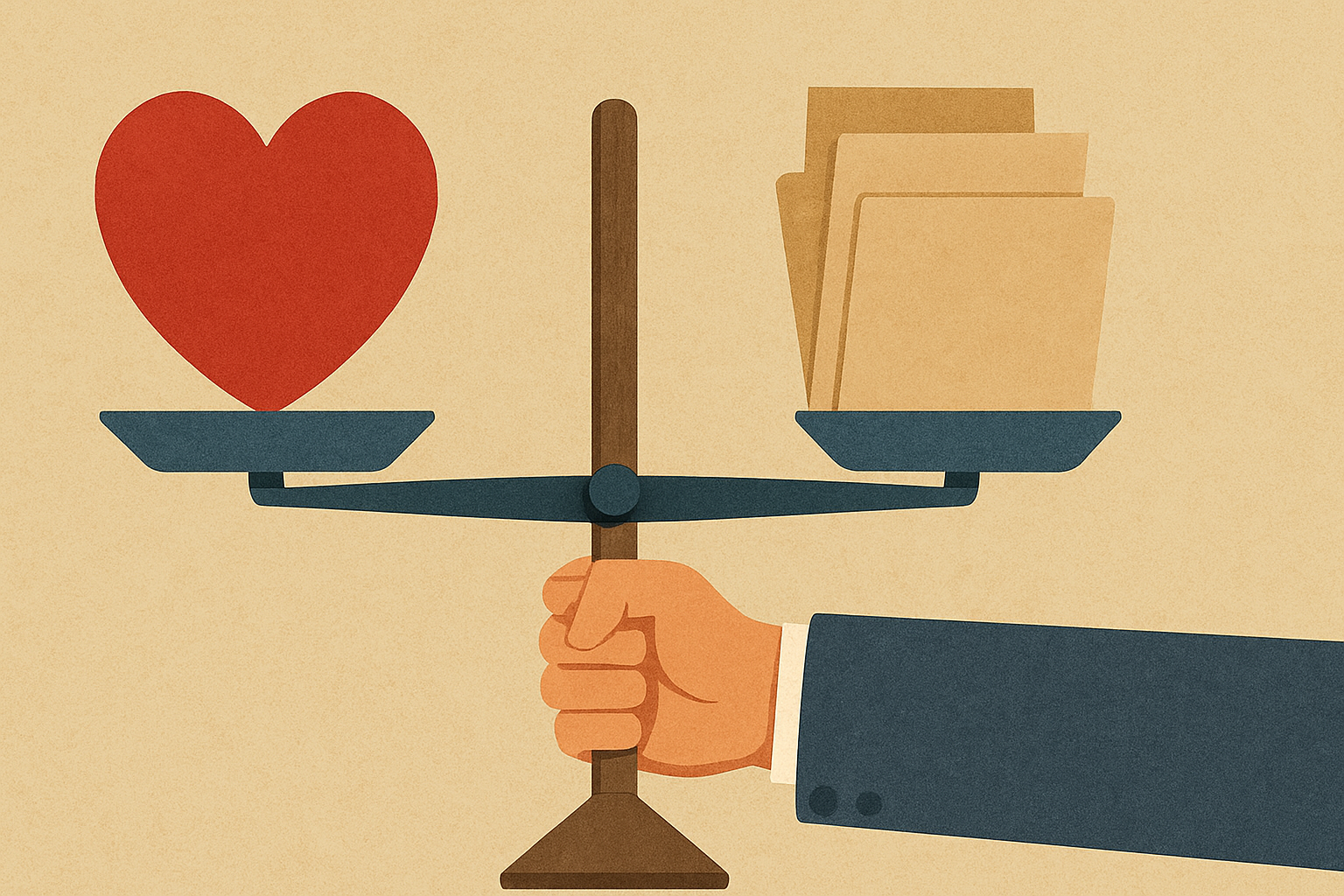
You sit down at your desk, coffee in hand. You’re ready to start your day.
Before you even open your to-do list, your inbox explodes. A co-worker pings you with a “quick question.” Your manager drops a surprise meeting on your calendar. Now it’s noon, and you haven’t touched the one thing you actually needed to get done.
Sound familiar?
Most people don’t start their day with a plan. They react to whatever’s loudest. Urgent requests, last-minute problems, never-ending emails. It’s easy to confuse busy with important. But they’re not the same.
Here’s the truth: You can’t do it all. And trying to will only burn you out.
So—are you spending time on what really matters? Or are you just trying to survive the day?
This blog will help you shift your focus. You’ll learn how to sort the noise from the real work. You’ll get simple tools and habits that actually stick. These aren’t hacks—they’re real-life strategies used by people who know how to lead, perform, and stay grounded.
Let’s talk about how to do less of what drains you and more of what counts.
Jump to a Section
Busyness Is Not a Badge of Honor
We live in a world that praises busyness. If your calendar is packed, people assume you’re doing something right.
But being busy doesn’t mean you’re being useful. It just means you’re occupied.
Activity is not the same as productivity.
We often fall into the “urgency trap.” We chase whatever feels most pressing. Emails, texts, fire drills. Loud things grab our time, but that doesn’t make them important.
Sometimes, the most valuable work is the quiet kind. Planning. Thinking. Finishing what you started.
It’s easy to spend your whole day doing things that don’t really matter. And that’s the danger. You feel like you worked hard, but you didn’t move forward.
The Bible puts it this way: “The plans of the diligent lead surely to abundance…” (Proverbs 21:5, ESV).
That kind of diligence doesn’t come from rushing. It comes from clear thinking, steady work, and knowing what matters most.
You were made to do more than just stay busy. Your time is a gift. Use it well.
Define What Truly Matters
Before you can prioritize, you need to know what matters most.
Start with this question: What do I value right now?
- Maybe it’s growing in your career.
- Maybe it’s being a better spouse, parent, or friend.
- Maybe it’s becoming a man of integrity, not just results.
You can’t chase everything. And you don’t have to.
Success looks different for each person—and it changes with seasons. What mattered five years ago might not matter today. That’s normal.
Strong leaders know their purpose. They’re not chasing every task or every opportunity. They focus on what lines up with their values.
This kind of clarity makes decisions easier. It helps you say yes to the right things—and no to the rest.
Think of it like sports. A football player trains differently than a baseball player. Their workouts, diet, and practice all match their role. They don’t waste time on stuff that doesn’t fit.
Same goes for you.
Shape your day around your purpose. Don’t let noise pull you off course. Your time and energy should support what you say matters.
If you don’t choose your priorities, someone else will.
Use a Framework to Sort Your Tasks
When everything feels important, it’s hard to know where to start.
That’s where a simple tool can help: the Eisenhower Matrix.
It splits tasks into four groups:
- Urgent and Important – Do it now.
Example: A client crisis or a last-minute deadline. - Important but Not Urgent – Schedule it.
Example: Long-term planning, building a new skill, checking in with your team. - Urgent but Not Important – Delegate or delay.
Example: Slack messages, last-minute meeting invites, unplanned requests. - Not Urgent and Not Important – Drop it.
Example: Scrolling Instagram, clicking every “urgent” email, or watching YouTube during work hours.
Most people live in the first and third boxes. Always reacting. Always rushing.
But the real progress happens in the second box—important but not urgent.
That’s where you set direction, not just handle problems. It’s where you build, grow, and lead.
When you plan your day, aim to spend more time there. Block off space for what moves the needle. Don’t let noise steal your time.
You only get so many hours each day. Make sure you’re using them on the right things.
Create Space for Strategic Thinking
Most people spend their whole workday reacting. Emails, messages, meetings—one after another.
There’s no room to think. Just go, go, go.
That’s a problem. You can’t lead well or work smart when your brain’s always in survival mode.
You need space to slow down and see clearly.
Try this:
- Take 15 minutes every morning to review your day.
- Block an hour once a week to plan ahead.
- Turn off notifications during deep work time.
These small habits make a big difference.
Think of it like sports. Great teams don’t just play—they study. They watch film, review the playbook, and talk through what went wrong.
Why? Because reflection sharpens performance.
Your work is no different.
Good decisions usually come from stillness, not stress.
Stillness brings clarity.
If you don’t slow down and think, you’ll just keep reacting. And eventually, you’ll burn out—or miss what really matters.
Don’t wait for a crisis to make time for strategy. Build it into your routine now.
Learn to Say “No” Without Guilt
You can’t do everything. And you shouldn’t try.
Every time you say “yes” to one thing, you say “no” to something else. Maybe it’s rest. Maybe it’s family. Maybe it’s the work that actually matters most.
That’s why learning to say “no” is so important.
Now, let’s be clear—if your boss asks for something, don’t ignore it. Prioritize it based on urgency and importance. Unless it’s unethical, it stays on the list.
But for everything else, get comfortable setting boundaries.
Here are a few respectful ways to say no:
- “I’d love to help, but I’m at full capacity right now.”
- “I don’t have the margin to give this the focus it deserves.”
- “I can’t commit to that today, but I can follow up next week.”
Boundaries aren’t selfish. They’re wise.
Even Jesus stepped away from the crowd to pray and reset (Mark 1:35). He wasn’t rushed. He made space for what mattered.
Saying “no” doesn’t make you lazy or unkind. It makes you clear. And clarity protects your purpose.
Guard Your Focus Like It’s Valuable—Because It Is
Your focus is under constant attack. Emails, texts, meetings, and social media—distractions are everywhere.
But your attention is precious. If you don’t guard it, you’ll be busy, but not productive.
Here are a few habits to help you protect your focus:
- Turn off unnecessary notifications.
- Block out time for deep, uninterrupted work.
- Use a single task list or system to keep you on track.
In today’s world, workplaces often reward visible effort—quick responses, constant availability. But real value comes from focused, quiet work. It’s where your best results are created.
Proverbs 4:23 says, “Above all else, guard your heart…” That includes your attention. When you protect it, you protect your purpose.
Align Work with Your Core Values
Take a step back and ask—why does your work matter?
Whether you’re in sales, tech, trades, or management, how you work reflects who you are. When you lead with honesty and give your best effort, your work gains purpose beyond the task itself.
It’s not just about getting results. It’s about building habits that shape your character. The small choices—how you respond under pressure, how you treat others, how you handle mistakes—say more than a resume ever could.
Some people think meaning comes only from big achievements. But real meaning often comes from doing ordinary work with care and excellence. Even the unseen effort counts.
When you work with that mindset, you don’t just hit goals—you grow. You show up for others. You stay true to what matters.
That kind of work lasts.
Progress Over Perfection: Build the Habit
Getting better at prioritizing won’t happen in one day. It takes practice—every single day.
You’ll get distracted. You’ll say yes to the wrong things. That’s normal. What matters is how fast you reset. Don’t beat yourself up. Just notice it and get back on track.
Think of it like training. One missed workout doesn’t ruin the goal. You keep showing up. You get stronger with time.
Try this: For the next week, take 10 minutes at the end of each workday. Ask yourself—what truly mattered today? What didn’t? Write it down.
This short review helps you learn from your day and make better choices tomorrow.
Even great teams lose games. What makes them great is how they respond. They review, adjust, and show up ready to win again.
Your work life is no different. It’s not about being perfect. It’s about building the habit. One day at a time.