
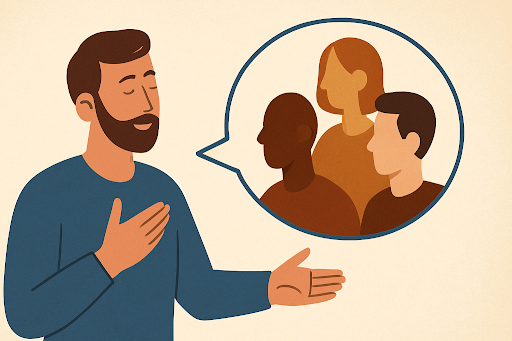
The best coaches know their players beyond the field. They don’t just study stats—they learn what makes each person tick. That’s what builds trust and leads to wins.
Marketing works the same way. The strongest messages come from a place of real understanding. Empathy means seeing people as more than just customers. It’s caring about what matters to them and why.
When you lead with empathy, you connect deeper. You speak to people’s needs, not just your goals. You build something stronger than clicks—you build trust.
In this blog, we’ll talk about how to market with empathy. We’ll use stories from sports and everyday life. We’ll look at why empathy wins, how to build it, and what it looks like in action.
Let’s get into it—and get to know your audience better.
Understood—and thanks for the clarity. Here’s a revised version using a real-life, practical example of empathy in marketing that isn’t tied to any political or social agenda. This one references Domino’s Pizza and their “Oh Yes We Did” campaign, where they owned their mistakes and rebuilt trust by listening to customer feedback.
Empathy Isn’t Soft—It’s Smart Strategy
Some people still think empathy is soft. In marketing, it’s anything but.
Empathy is about paying attention. It’s learning what your audience is saying, feeling, and needing—then acting on it.
Take Domino’s. Years ago, their customer feedback was brutal. People said the crust tasted like cardboard and the sauce was bland. Instead of ignoring it, Domino’s leaned in. They listened, changed the recipe, and launched the “Oh Yes We Did” campaign. They showed real feedback, admitted their mistakes, and invited people to try the improved pizza. Sales soared. So did trust.
That’s empathy in action. It wasn’t about feelings—it was about results.
A good message meets people where they are. That only happens when you listen first.
Empathy isn’t soft. It’s smart, strong, and exactly what good strategy looks like.
The Heartbeat of Any Team (or Brand) Is People
Teams with strong culture win more often. Look at the Golden State Warriors or the Philadelphia Eagles. The players trust each other. They know their roles. They support the mission. That’s not luck—it’s leadership built on relationships.
The Chicago Cubs broke a 108-year drought in 2016. Not just because of talent, but because of team chemistry. The coaches cared about their guys. The players showed up for each other. Culture drove the win.
Your brand works the same way. You’re not talking to numbers—you’re talking to people. And people want to feel seen.
Think about a small business owner juggling work and family. Or a dad trying to find time for his kids. Or a young professional trying to stay focused in a loud world. These aren’t marketing segments. They’re people with real lives.
When your message feels real, it hits home. When your brand reflects your audience’s values, they stick around.
Strong teams are built on trust. So are strong brands. If you want loyal customers, start by understanding them—not just selling to them.
Listen First, Then Speak
The best leaders ask before they act.
Great coaches do the same. They don’t force a system on every team. They learn how their players move, think, and respond. Then they adjust the playbook.
Marketing works that way too. Want to connect? Start by listening.
91% of consumers say they’re more likely to shop with brands that recognize them.
Read the comments. Check your reviews. Ask questions. Run a quick survey. Your audience is already speaking—you just have to hear them.
Listening isn’t passive. It’s how you learn what matters to your people. Once you know that, your message becomes more real, more useful, and more likely to land.
Good marketing doesn’t start with a pitch. It starts with care.
Speak Their Language, Not Yours
Good coaches don’t talk the same way to every player. Some need a loud push. Others need quiet encouragement. The message changes—but the goal stays the same: motivate the person.
Marketing should work like that. Too often, brands speak in buzzwords no one actually uses. Customers don’t talk like that. So why should you?
Skip the jargon. Use normal, everyday words. Talk like a real person, not a sales robot.
88% of people say authenticity matters when deciding what brands to support.
Let’s say you’re selling tools. Don’t say “innovative hardware solutions.” Say “built to last so you don’t have to keep replacing them.” Simple, clear, honest.
People connect with what feels familiar. If your audience is mostly dads, talk like one. If they’re young professionals, match their pace.
Words build trust. But only if people understand them.
Serve Before You Sell
Real connection starts when you put others first. Philippians 2:4 says, “Let each of you look not only to his own interests, but also to the interests of others” (ESV). That’s true in life—and in marketing.
People can spot a sales pitch from a mile away. But when you lead with value, they listen.
Think about the brands that post helpful how-to videos or answer real questions online. They’re not just selling—they’re serving. And it works.
It’s like sports. Some of the best plays don’t show up on the stat sheet. A good assist, a solid screen, or a sacrifice fly can change the game.
Marketing is no different. Be the kind of brand that helps first.
Serve before you sell. Trust follows.
Emotions Drive Action—Tap Into That
People buy with their hearts first, then their heads. Emotion drives action. Logic just tags along.
Psychology backs it up. Studies show emotional ads perform nearly twice as well as rational ones.
Remember when Ray Lewis gave his retirement speech after the Ravens’ playoff win? You didn’t need to be a fan to feel it. That moment moved people. It told a story bigger than football.
Great marketing works the same way. Tell a story. Show the heart behind your message. Let people feel something.
You don’t need to fake it. Just speak from a real place. That’s what people remember.
Lead with emotion. That’s how you move people to care—and act.
Your Audience Is More Than a Demographic
People aren’t data points. They’re more than age, gender, or zip code. They’re stories in motion.
Think about that one coach or teacher who saw you—not just your grades or your stats—but your heart. That kind of attention sticks. It shapes lives.
Marketing should do the same. Don’t treat your audience like a spreadsheet. See them as people.
When you write an ad or plan a post, imagine the person on the other side. What are they facing? What matters to them today?
You won’t always get it right. But if you try to care, they’ll feel it.
80% of consumers are more likely to buy from a brand that offers personalized experiences.
Real always wins. See the person, not the profile.
Building Trust Over Time (Not Overnight)
The best teams don’t win overnight. Dynasties—like the Patriots—are built year after year. Brick by brick.
Marketing works the same way. You don’t earn trust with one post or a flashy ad. You earn it by showing up. Again and again.
Be honest. Be clear. Be steady. That’s what people remember.
Short-term hype fades fast. But long-term consistency builds loyalty. Just like a good coach, a brand has to earn respect through action.
You don’t have to be perfect. But you do have to be real. Every message, every step—show that you care.
Trust takes time. Keep showing up.
Empathy is Legacy-Level Marketing
Strong brands, like strong teams, are built on care. Not just skill. Not just speed. But heart.
Empathy isn’t soft. It’s smart. It helps you listen, speak clearly, serve well, and earn trust.
The best coaches know their players. The best marketers know their people.
Trends come and go. But empathy sticks. It outlasts gimmicks. It builds loyalty that doesn’t fade when the next big thing shows up.
So here’s your challenge: Learn something real about your audience this week. One thing.
See the person. Hear the story. That’s where good marketing starts.