
Ever been part of a team that just clicked? You didn’t have the most skilled group. You didn’t have all the tools. But you still won. You worked harder, laughed more, and picked each other up when things got tough. That’s what a great team feels like.
The same goes for work. A thriving workplace isn’t just about hitting numbers. It’s about people feeling seen, valued, and excited to show up every day. When a team is built on trust and purpose, good things happen.
You’ve seen it in sports. Teams with strong culture often beat those with more talent. Why? Because culture shapes effort, mindset, and loyalty. In the end, those teams win games.
Let’s break down how to create that environment—a place where people grow, work hard, and care for each other. The steps are simple, but they require heart, patience, and a clear purpose.
Jump to a Section
- The Power of Culture: Why It Matters More Than Talent
- Lead with Purpose, Not Just Performance
- Build Trust Through Accountability and Empathy
- Celebrate the Individual, Elevate the Team
- Create Safe Spaces for Failure and Growth
- Foster Brotherhood (and Sisterhood) in the Workplace
- Measure Success Differently: People Over Profits
- The Long Game of Leadership
The Power of Culture: Why It Matters More Than Talent
Talent helps, but culture wins.
Think about the 2014 Spurs or the 2004 Pistons. They weren’t stacked with superstars like the Heat or Lakers. But they played as one. Why? Because they trusted each other. They knew their roles. They put the team first.
The same works at the office. Culture isn’t just posters on a wall. It’s how people treat each other when no one’s watching. It’s about shared values, respect, and working toward a common goal.
A strong culture keeps people around. It sparks new ideas and helps the team rise above challenges. Bad culture? It spreads fast. People stop caring. Problems get loud. The work becomes just a job.
Culture doesn’t come from a checklist. It starts with leaders who care, listen, and live by what they say. Talent is great, but teams with heart and trust always go further.
Lead with Purpose, Not Just Performance
People don’t just want a paycheck. They want purpose.
They want to know their work matters. That they’re part of something bigger than just tasks and goals.
The best teams—on the field or in the office—are built around a clear mission. When people understand why they’re doing the work, they give more. They stay longer. They care more.
Great leaders bring that purpose to life. Not through fear, but by leading with vision and steady character. Think of Tony Dungy. His players trusted him not because he yelled louder, but because he lived out what he asked from others. He was calm, focused on people, and led with consistency.
Good managers do the same. They listen. They serve their teams. They own their mistakes. They lead with a steady hand, not an iron fist.
People need something beyond themselves—a cause, a team, a mission. When leaders tap into that, everything changes. Energy grows. Loyalty deepens.
Build Trust Through Accountability and Empathy
Trust is the base of every strong team. Without it, things fall apart fast.
People won’t give their best if they don’t feel safe or supported. But trust doesn’t mean letting things slide. It means holding each other to a high standard—and doing it with care.
Think of a good locker room. Teammates push each other—not out of anger, but out of love. They speak up because they want the team to win. That’s what real accountability looks like.
At work, it’s the same. You need to address poor effort. But you also need to understand the reasons behind it. That’s where empathy comes in.
When leaders show they care and hold people to high standards, trust grows. People know where they stand, and they know someone’s got their back.
Simple tools—like regular check-ins and honest feedback—help. A healthy team is honest and kind. When trust is strong, people work harder for each other.
Celebrate the Individual, Elevate the Team
Every team needs stars, but the best teams know role players win games too.
Think of guys like Dennis Rodman or Shane Battier. They didn’t score the most points. But they did the dirty work—rebounds, defense, hustle. And they made their teams better.
At work, everyone brings something unique. Some are detail-focused. Others are big-picture thinkers. Some steady the ship when things get rough.
When leaders take time to know their team beyond job titles, it changes everything. You see what drives them. What they’re good at. Where they want to grow.
And when people feel seen, they show up stronger.
Don’t just cheer the results. Cheer the growth. Celebrate how someone handled a tough situation or stepped in when it mattered.
This kind of encouragement builds confidence and loyalty. People want to be part of a team that values who they are, not just what they do.
Create Safe Spaces for Failure and Growth
No one plays their best when they’re scared to mess up.
People need to feel safe to try, fail, and try again. That’s where growth happens.
Think about the Chicago Bulls before 1991. Michael Jordan was already a star. But they hadn’t figured it out as a team. They took hard losses. But those losses shaped them. They learned, adjusted, and came back stronger.
It’s the same at work. People can’t thrive if every mistake feels like a crisis. Or if failure leads to blame instead of learning.
Great teams create space to grow. They ask, “What can we learn from this?” not, “Who messed up?”
Hold open post-mortems. Talk honestly about what worked and what didn’t. Keep the tone focused on learning, not shame. Train your team to think in terms of progress, not perfection.
That kind of trust builds stronger people. And stronger people build better teams.
Foster Brotherhood (and Sisterhood) in the Workplace
Great teams feel more like family than coworkers.
They show up for each other—during the workday and when life gets hard. That kind of bond doesn’t come from job titles. It comes from shared values, respect, and time spent together.
We’re built for community. People need connection. In sports, the best teams fight for each other. They celebrate wins together. They take losses together. That same trust can happen at work.
It takes effort, but it’s worth it. Plan team lunches. Set up mentorships. Get people out of the office now and then. Let people know they’re seen for who they are, not just what they do.
When people feel like they belong, they give more. They care more. And the team gets stronger.
Measure Success Differently: People Over Profits
It’s easy to measure success by numbers—revenue, sales, or output. But what about the people?
The best sports dynasties know success isn’t just about stats. It’s about legacy, impact, and the people who helped get there. Think of the New England Patriots or the San Antonio Spurs. Their greatness wasn’t just in winning. It was in building teams that lasted.
Ask yourself: Are people better because they worked here? Do they leave your company more skilled, fulfilled, and healthy?
The true success of a team isn’t just in profits. It’s in how you invest in people. When you focus on their growth, fulfillment, and well-being, you build something that lasts.
Your impact on people’s lives is what truly counts.
The Long Game of Leadership
A thriving team begins with culture, trust, purpose, and care. Leaders who focus on these create environments where people can truly flourish.
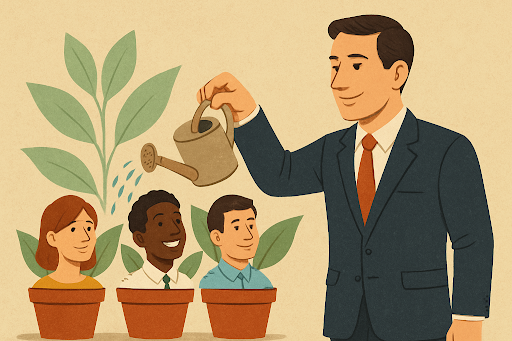
Great leadership isn’t about control. It’s about cultivation. Think long-term—build something that lasts.
Just like a championship team, a great workplace doesn’t happen by accident. It’s built intentionally, with heart, through consistent effort.
Reflect on one thing you can change this week to help your team grow. Start small, but make it meaningful.